
Introduction
As industries continue to demand stronger, lighter, and more reliable plastic products, plastic welding has become an essential manufacturing process for joining thermoplastic materials.
Unlike traditional bonding methods such as adhesives or mechanical fastening, plastic welding creates a strong connection by melting and fusing plastic surfaces together. This technology provides manufacturers with improved durability, better sealing performance, and higher production efficiency.
Today, plastic welding technology is widely used in industries including automotive, medical devices, electronics, packaging, consumer products, and industrial manufacturing.
This article explains what plastic welding is, different welding methods, common applications, advantages, and how manufacturers can choose the right plastic welding solution.
What Is Plastic Welding?
Plastic welding is a manufacturing process that joins two thermoplastic materials by applying heat, pressure, or energy to create a permanent bond.
During the welding process, the plastic surfaces are heated until they reach a softened state. Pressure is then applied to fuse the materials together, creating a strong connection after cooling.
Plastic welding is commonly used for materials such as:
- PVC
- TPU
- PE
- PP
- ABS
- Acrylic
- Polycarbonate
The process is widely used when manufacturers require:
- Leak-proof sealing
- High bonding strength
- Clean appearance
- Long-term durability
How Does Plastic Welding Work?
Although different welding technologies use different energy sources, most plastic welding processes follow three basic steps.
1. Surface Preparation
Before welding, plastic components need to be properly positioned and prepared.
Important factors include:
- Material compatibility
- Surface cleanliness
- Correct alignment
- Proper welding parameters
A suitable preparation process ensures better welding quality.
2. Heat or Energy Application
Energy is applied to soften the plastic surfaces.
Different technologies use different methods, including:
- High frequency energy
- Ultrasonic vibration
- Hot melt heating
- Hot plate heating
The selected method depends on the material type and product requirements.
3. Pressure and Cooling
After plastic surfaces become molten, pressure is applied to create a strong bond.
During cooling:
- The plastic solidifies
- The welded area gains strength
- The final shape is maintained
Proper control of pressure and cooling time directly affects welding performance.
Common Types of Plastic Welding Methods
Different industries use different plastic welding technologies based on application requirements.
1. High Frequency Welding
High frequency welding uses electromagnetic energy to heat dielectric plastic materials internally.
This method is commonly used for:
- PVC products
- Inflatable products
- Plastic packaging
- Synthetic leather products
Advantages:
- Strong bonding performance
- Fast production speed
- Clean welding lines
- Suitable for continuous production
high frequency machines are especially suitable for materials with polar molecules that respond to high-frequency energy.
2. Ultrasonic Plastic Welding
Ultrasonic welding uses high-frequency mechanical vibrations to generate heat between plastic surfaces.
Advantages include:
- Fast welding cycles
- No additional adhesives required
- High precision
- Suitable for small components
Common applications:
- Electronics components
- Medical devices
- Automotive plastic parts
- Precision plastic assemblies
3. Hot Melt Welding
Hot melt welding uses heated surfaces to melt plastic materials before joining them together.
Advantages:
- Simple operation
- Strong bonding
- Suitable for various plastic parts
Applications include:
- Plastic pipes
- Industrial components
- Packaging products
4. Hot Plate Welding
Hot plate welding uses a heated plate to melt plastic surfaces before pressing them together.
It is commonly used for:
- Large plastic components
- Automotive parts
- Industrial containers
Benefits:
- Reliable bonding strength
- Suitable for larger welding areas
- Good process stability
Applications of Plastic Welding
Plastic welding technology is used across many industries because of its flexibility and reliability.
Automotive Industry
Automotive manufacturers use plastic welding for:
- Interior components
- Lighting parts
- Air ducts
- Decorative panels
Benefits include:
- Lightweight construction
- Improved product durability
- Reduced assembly costs
Medical Industry
Medical products often require secure and hygienic joining methods.
Plastic welding is used for:
- Medical containers
- Fluid bags
- Protective covers
- Disposable medical devices
Key requirements include:
- Clean processing
- Reliable sealing
- Consistent quality
Packaging Industry
Plastic welding plays an important role in packaging manufacturing.
Applications include:
- Blister packaging
- PVC packaging boxes
- Plastic containers
- Protective packaging
Manufacturers benefit from:
- Faster production
- Better sealing performance
- Improved product presentation
Electronics Industry
Electronic products require precise and secure plastic assembly.
Applications include:
- Sensor housings
- Battery covers
- Plastic enclosures
- Component protection parts
Plastic welding helps achieve strong connections without damaging sensitive components.
Consumer Products
Many everyday products use plastic welding technology, including:
- Toys
- Household products
- Sporting goods
- Personal care products
Benefits of Plastic Welding
1. Strong and Permanent Bonding
Plastic welding creates a molecular connection between materials, providing better durability compared with adhesive bonding.
Benefits include:
- High mechanical strength
- Better resistance to vibration
- Long service life
2. No Need for Adhesives
Unlike glue-based bonding methods, plastic welding does not require chemical adhesives.
This provides:
- Cleaner production
- Lower material costs
- Reduced environmental impact
3. Improved Production Efficiency
Automated plastic welding machines help manufacturers achieve:
- Faster production cycles
- Consistent quality
- Reduced labor requirements
4. Better Product Appearance
Plastic welding creates:
- Smooth joints
- Clean surfaces
- Precise finishing
This is especially important for consumer-facing products.
5. Flexible Manufacturing Solutions
Plastic welding systems can be customized for different applications.
Manufacturers can adjust:
- Welding power
- Welding time
- Tooling design
- Automation level
Plastic Welding vs Adhesive Bonding
| Feature | Plastic Welding | Adhesive Bonding |
|---|---|---|
| Bond Strength | High | Depends on adhesive |
| Processing Speed | Fast | Slower curing time |
| Chemical Usage | No adhesive required | Requires chemicals |
| Automation | Easy | More complex |
| Long-Term Reliability | Excellent | May degrade |
For industrial applications requiring reliable and repeatable connections, plastic welding is often the preferred solution.
How to Choose the Right Plastic Welding Solution?
Manufacturers should consider several factors before selecting equipment.
1. Plastic Material Type
Different plastics require different welding methods.
Important considerations:
- Material composition
- Melting temperature
- Compatibility
2. Product Design
Evaluate:
- Product size
- Welding area
- Required appearance
- Production volume
Complex products may require customized welding systems.
3. Production Requirements
Consider:
- Cycle time
- Automation level
- Quality standards
- Manufacturing environment
4. Equipment Supplier Experience
A professional plastic welding machine supplier should provide:
- Technical guidance
- Customized solutions
- Equipment testing
- After-sales support
Why Choose Chenghao for Plastic Welding Solutions?
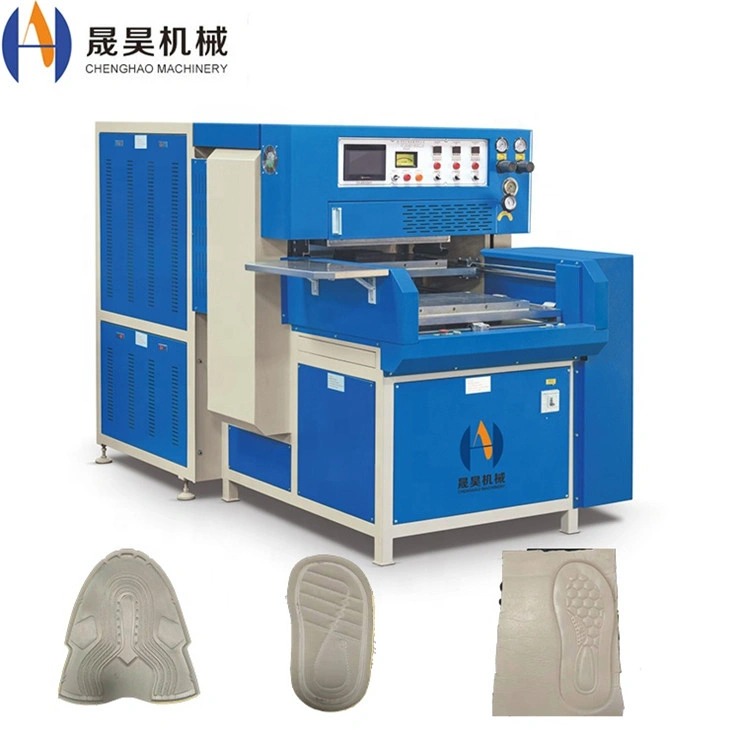
Chenghao Machinery provides industrial equipment solutions for plastic welding and related manufacturing processes.
With experience in:
- High frequency machines
- ultrasonic machines
- Plastic welding equipment
- Customized machinery
Chenghao helps manufacturers achieve efficient, stable, and customized production solutions.
Whether for packaging, automotive components, plastic products, or specialized applications, professional welding equipment can improve manufacturing performance and product quality.
Conclusion
Plastic welding is a reliable and efficient technology for joining thermoplastic materials across various industries.
By selecting the right welding method, manufacturers can achieve stronger products, faster production, and improved manufacturing efficiency.
From high frequency welding to ultrasonic and hot melt technologies, modern plastic welding solutions provide flexible options for different industrial requirements.
Contact our technical experts today to explore customized plastic welding solutions for your production needs.