
Introduction
In today’s competitive manufacturing environment, standard equipment cannot always meet the unique requirements of every production process. Different industries often require specialized solutions to improve efficiency, product quality, and automation levels.
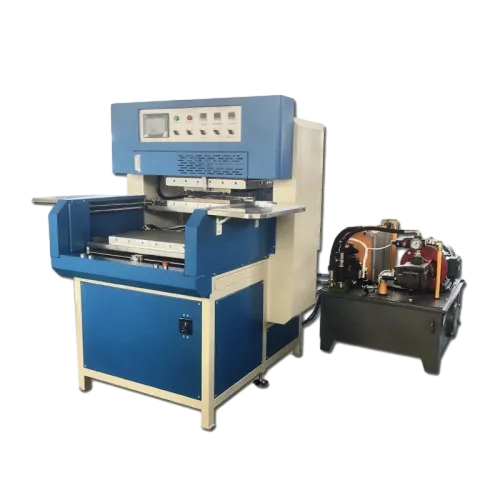
dedicated machines provide manufacturers with customized equipment designed specifically for a particular product, process, or application. Unlike general-purpose machines, dedicated machines are developed based on specific production requirements, allowing companies to achieve higher precision, faster processing speeds, and optimized workflows.
From plastic welding and packaging to automotive components, electronics, medical products, and industrial manufacturing, custom dedicated machines help businesses solve complex production challenges and improve overall manufacturing performance.
This guide explains what dedicated machines are, their advantages, applications, customization process, and how to choose the right dedicated machine manufacturer.
What Is a Dedicated Machine?
A dedicated machine is a customized industrial machine designed and manufactured for a specific production task or product application.
Unlike standard equipment that is designed for general operations, dedicated machines are developed according to:
- Product specifications
- Manufacturing processes
- Production requirements
- Automation goals
A dedicated machine may integrate multiple technologies, such as:
- High frequency welding
- Ultrasonic welding
- Hot melt processing
- Plastic forming
- Sealing systems
- Automated control systems
The purpose of a dedicated machine is to create a more efficient and optimized production solution compared with traditional equipment.
Dedicated Machine vs Standard Machine
| Feature | Dedicated Machine | Standard Machine |
|---|---|---|
| Design Purpose | Specific application | General applications |
| Customization | High | Limited |
| Production Efficiency | Optimized | Standard |
| Automation Level | Flexible | Fixed |
| Product Compatibility | Specific products | Multiple products |
For manufacturers with unique production requirements, dedicated machines often provide better long-term value.
How Are Custom Dedicated Machines Developed?
Creating a dedicated machine requires cooperation between the manufacturer and equipment supplier.
The typical development process includes several stages.
1. Production Requirement Analysis
The first step is understanding the customer's manufacturing needs.
Important factors include:
- Product dimensions
- Material characteristics
- Production volume
- Required processing methods
- Quality standards
A detailed analysis helps define the best machine structure and functions.
2. Machine Design and Engineering
After requirements are confirmed, engineers develop the machine design.
The design process considers:
- Mechanical structure
- Electrical systems
- Automation control
- Safety requirements
- Operating convenience
Advanced design helps ensure stable operation and easy maintenance.
3. Component Selection and Manufacturing
Based on the design requirements, suitable components are selected, including:
- Motors
- Controllers
- Welding systems
- Sensors
- Tooling components
High-quality components improve equipment reliability and service life.
4. Testing and Optimization
Before delivery, dedicated machines undergo testing to verify:
- Production performance
- Processing accuracy
- Operating stability
- Safety functions
Machine parameters can be adjusted according to actual production conditions.
Applications of Dedicated Machines
Custom dedicated machines are widely used across many industries.
Plastic Processing Industry
Plastic manufacturers often require customized equipment for:
- Plastic welding
- Plastic sealing
- Thermoforming
- Component assembly
Dedicated machines help achieve:
- Higher production efficiency
- Better product consistency
- Reduced manual operations
Packaging Industry
Packaging manufacturers use dedicated machines for:
- Blister packaging
- Plastic sealing
- Customized packaging solutions
Applications include:
- Electronics packaging
- Hardware packaging
- Consumer product packaging
Customized equipment allows manufacturers to optimize packaging processes.
Automotive Industry
Automotive suppliers require specialized machines for producing:
- Interior components
- Plastic parts
- Decorative elements
- Functional assemblies
Dedicated machines help improve:
- Assembly accuracy
- Production speed
- Product quality
Electronics Industry
Electronic products often require precise manufacturing processes.
Dedicated machines are used for:
- Plastic housing assembly
- Component welding
- Protective packaging
Benefits include:
- High precision
- Stable quality
- Reduced production errors
Medical Industry
Medical product manufacturers need reliable and consistent production solutions.
Dedicated machines can be designed for:
- Medical packaging
- Disposable products
- Plastic medical components
They support strict quality requirements through controlled manufacturing processes.
Benefits of Using Custom Dedicated Machines
1. Improved Production Efficiency
Dedicated machines are designed around specific production processes.
Advantages include:
- Shorter production cycles
- Reduced manual operations
- Optimized workflows
This allows manufacturers to increase output capacity.
2. Higher Product Quality
Because the equipment is designed specifically for the application, manufacturers can achieve:
- Better processing accuracy
- More consistent results
- Lower defect rates
3. Reduced Labor Costs
Customized automation reduces dependence on manual operations.
Benefits include:
- Lower labor requirements
- Easier operation
- Improved production stability
4. Better Space Utilization
Dedicated machines can be designed according to factory conditions.
Manufacturers can optimize:
- Machine size
- Production layout
- Workflow arrangement
5. Flexible Production Solutions
A dedicated machine can be customized with:
- Specific tooling
- Automated feeding systems
- Customized control functions
- Integrated production processes
This provides manufacturers with a solution that matches their exact needs.
Why Manufacturers Need Dedicated Machines?
Many production challenges cannot be solved efficiently with standard equipment.
Common situations requiring dedicated machines include:
Unique Product Design
Products with special shapes or materials may require customized tooling and processing methods.
High Production Volume
Companies producing large quantities may need dedicated automation to improve efficiency.
Strict Quality Requirements
Industries such as automotive and medical manufacturing often require highly controlled production processes.
Complex Manufacturing Processes
When multiple steps need to be combined, dedicated machines can integrate different functions into one system.
How to Choose a Dedicated Machine Manufacturer?
Selecting the right equipment partner is important for long-term production success.
Consider the following factors:
1. Engineering Capability
A professional manufacturer should have experience in:
- Machine design
- Automation development
- Process optimization
2. Industry Experience
Choose a supplier familiar with your application field.
Industry experience helps manufacturers provide better solutions.
3. Customization Ability
A reliable supplier should offer:
- Customized machine design
- Prototype testing
- Production optimization
4. Technical Support
After-sales support is essential for maintaining machine performance.
Look for suppliers providing:
- Installation guidance
- Maintenance support
- Technical consultation
Why Choose Chenghao Dedicated Machines?
Chenghao Machinery specializes in customized industrial equipment solutions for manufacturers with unique production requirements.
The company provides customized solutions including:
- Dedicated machines
- high frequency machines
- Plastic welding equipment
- ultrasonic machines
- Blister packaging solutions
By combining engineering expertise with manufacturing experience, Chenghao helps customers develop efficient, reliable, and application-specific production equipment.
Whether for plastic processing, packaging, electronics, automotive, or specialized industrial applications, customized machinery can help manufacturers improve productivity and competitiveness.
Conclusion
A dedicated machine provides manufacturers with a customized solution designed around specific production requirements.
Compared with standard equipment, custom dedicated machines offer greater flexibility, higher efficiency, improved quality, and better automation capabilities.
For companies facing unique manufacturing challenges, working with an experienced dedicated machine manufacturer can help create optimized production solutions and achieve long-term business growth.
Contact our technical experts today to discuss your customized dedicated machine requirements and receive a professional production solution.