
Introduction
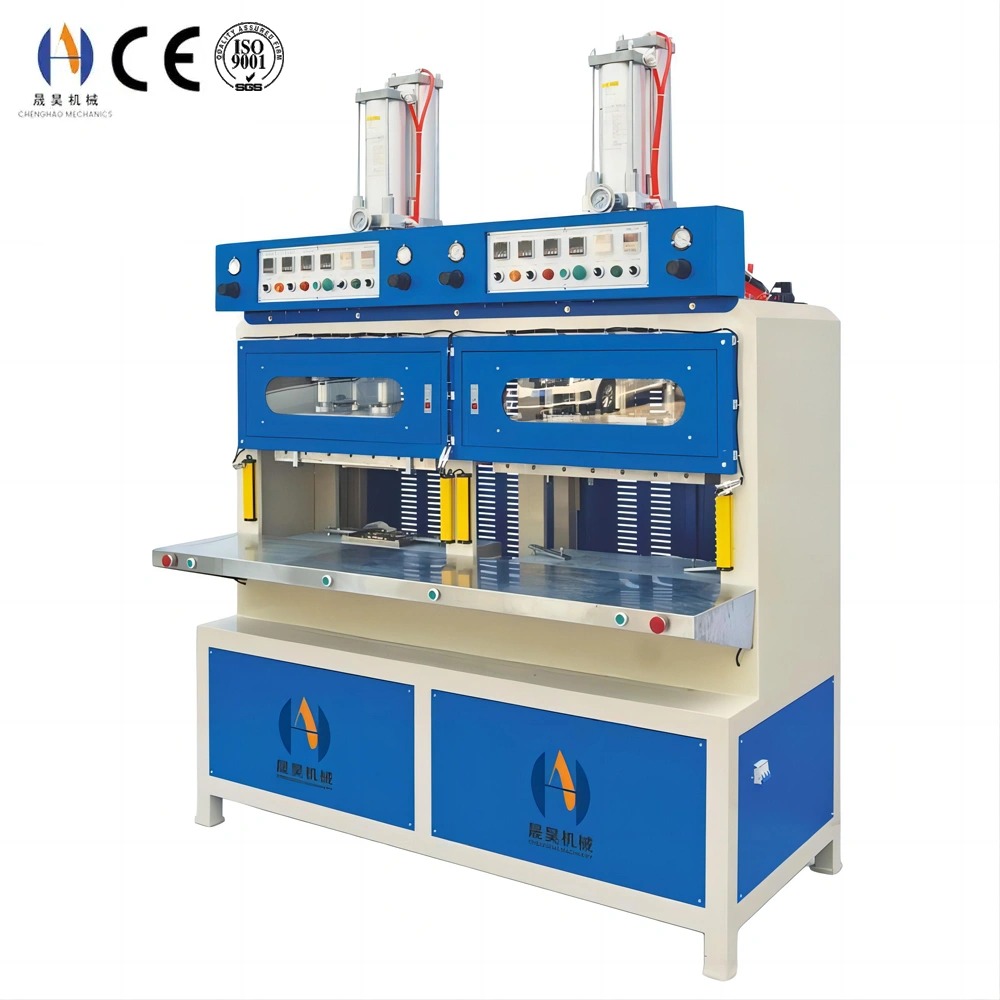
In plastic manufacturing, molds play a critical role in determining product quality, production efficiency, and manufacturing costs. A reliable mould machine provides manufacturers with the ability to produce accurate and consistent molds for different plastic processing applications.
A mould machine is used to manufacture, process, or support the production of molds required for plastic forming, packaging, welding, and customized industrial applications. With advanced machining technology and precise control systems, modern mould machines help manufacturers achieve complex designs, improved accuracy, and stable production performance.
From plastic packaging and automotive components to electronics and consumer products, mould technology is an essential part of modern manufacturing.
This article explains what a mould machine is, different types, applications, benefits, and important factors to consider when selecting mould equipment.
What Is a Mould Machine?
A mould machine is industrial equipment used for manufacturing, processing, or producing molds that shape plastic, metal, or other materials into specific forms.
In plastic processing industries, molds are used to define:
- Product shape
- Dimensions
- Surface details
- Functional structures
A mould machine helps manufacturers create molds with:
- High dimensional accuracy
- Stable production performance
- Consistent product quality
Depending on the application, mould machines can be used for producing molds for:
- Plastic packaging
- Blister products
- Injection molded parts
- Automotive components
- Electronic housings
- Industrial products
How Does a Mould Machine Work?
The operation of a mould machine depends on the specific manufacturing method, but the general process includes several important steps.
1. Mold Design and Preparation
Before machining begins, engineers create a mold design based on product requirements.
The design considers:
- Product dimensions
- Material characteristics
- Production volume
- Surface requirements
Modern CAD/CAM systems help improve design accuracy and manufacturing efficiency.
2. Material Processing
The mould machine processes mold materials through different machining operations.
Common processes include:
- Cutting
- Milling
- Drilling
- Surface finishing
- Precision shaping
These processes create the required mold structure.
3. Precision Machining
High-precision machining ensures that mold dimensions meet production requirements.
Important factors include:
- Dimensional accuracy
- Surface quality
- Structural stability
Precision directly affects the quality of final products.
4. Mold Testing and Optimization
After manufacturing, molds are tested to ensure proper performance.
Testing evaluates:
- Product forming quality
- Mold durability
- Production stability
Adjustments can be made to optimize manufacturing results.
Types of Mould Machines
Different applications require different types of mould equipment.
1. Plastic Mould Machine
A plastic mould machine is designed for producing molds used in plastic manufacturing.
Applications include:
- Plastic containers
- Packaging components
- Industrial plastic parts
Benefits:
- High precision
- Consistent production
- Flexible customization
2. Thermoforming Mould Machine
A thermoforming mould machine is used for creating molds required in plastic sheet forming processes.
Common applications:
- Blister packaging
- Plastic trays
- Food containers
Advantages:
- Suitable for customized shapes
- Efficient mold production
- Supports various plastic materials
3. Customized Mould Machine
A customized mould machine is developed according to specific product requirements.
It is suitable for manufacturers requiring:
- Unique product designs
- Special mold structures
- Customized production solutions
Applications of Mould Machines
Mould machines are widely used across multiple industries.
Plastic Packaging Industry
Packaging manufacturers rely on molds for producing:
- Blister packaging
- Plastic trays
- Product containers
- Protective packaging
High-quality molds help achieve:
- Better appearance
- Accurate dimensions
- Stable production
Automotive Industry
Automotive manufacturers use molds for producing:
- Interior plastic parts
- Decorative components
- Functional plastic assemblies
Precision molds help improve:
- Product consistency
- Manufacturing efficiency
- Assembly performance
Electronics Industry
Electronic products require accurate plastic components.
Mould machines support manufacturing of:
- Device housings
- Protective covers
- Component holders
Benefits include:
- Precise dimensions
- Reliable product quality
Medical Industry
Medical products require strict manufacturing standards.
Molds are used for:
- Medical containers
- Disposable products
- Plastic medical components
Reliable molds support:
- Clean production
- Consistent output
- Quality control
Consumer Product Industry
Many consumer products rely on mold manufacturing.
Applications include:
- Household products
- Toys
- Personal care products
- Plastic accessories
Benefits of Using a Professional Mould Machine
1. Improved Manufacturing Accuracy
High-quality mould machines provide precise machining capabilities.
This helps manufacturers achieve:
- Accurate product dimensions
- Better fitting performance
- Reduced production defects
2. Increased Production Efficiency
Reliable molds allow manufacturers to maintain:
- Faster production cycles
- Stable output
- Reduced downtime
3. Better Product Consistency
A well-designed mold ensures every produced part maintains similar:
- Shape
- Size
- Surface quality
This is essential for mass production.
4. Cost Reduction in Long-Term Production
Although mold development requires initial investment, high-quality molds can reduce:
- Material waste
- Production errors
- Maintenance costs
5. Support for Customized Products
Modern mould machines allow manufacturers to create:
- Complex shapes
- Special structures
- Customized designs
This provides greater product development flexibility.
How to Choose the Right Mould Machine?
Selecting suitable mould equipment requires evaluating several factors.
1. Product Requirements
Consider:
- Product size
- Shape complexity
- Surface requirements
- Production quantity
Different products require different mold solutions.
2. Material Compatibility
The mold material and manufacturing method should match the production requirements.
Important factors include:
- Processing temperature
- Material characteristics
- Product durability
3. Machining Accuracy
Precision is critical for mold manufacturing.
Evaluate:
- Machine stability
- Processing accuracy
- Quality control systems
4. Customization Capability
A professional supplier should provide:
- Mold design support
- Customized machining solutions
- Production testing
5. Supplier Experience
An experienced mould machine manufacturer can provide:
- Technical consultation
- Engineering support
- After-sales service
Why Choose Chenghao Mould Solutions?
Chenghao Machinery provides customized equipment solutions for plastic processing and industrial manufacturing applications.
The company specializes in solutions related to:
- Plastic forming
- Blister packaging
- High frequency welding
- Ultrasonic welding
- Customized industrial machinery
With professional technical experience, Chenghao helps customers develop reliable production solutions based on specific manufacturing requirements.
Conclusion
A mould machine is an essential tool for manufacturers seeking accurate, efficient, and repeatable plastic production solutions.
From blister packaging and plastic components to customized industrial products, high-quality molds help improve production efficiency, product consistency, and manufacturing competitiveness.
By selecting the right mould machine and working with an experienced supplier, manufacturers can achieve better production performance and long-term value.
Contact our technical experts today to discuss customized mould machine solutions and professional manufacturing support.