
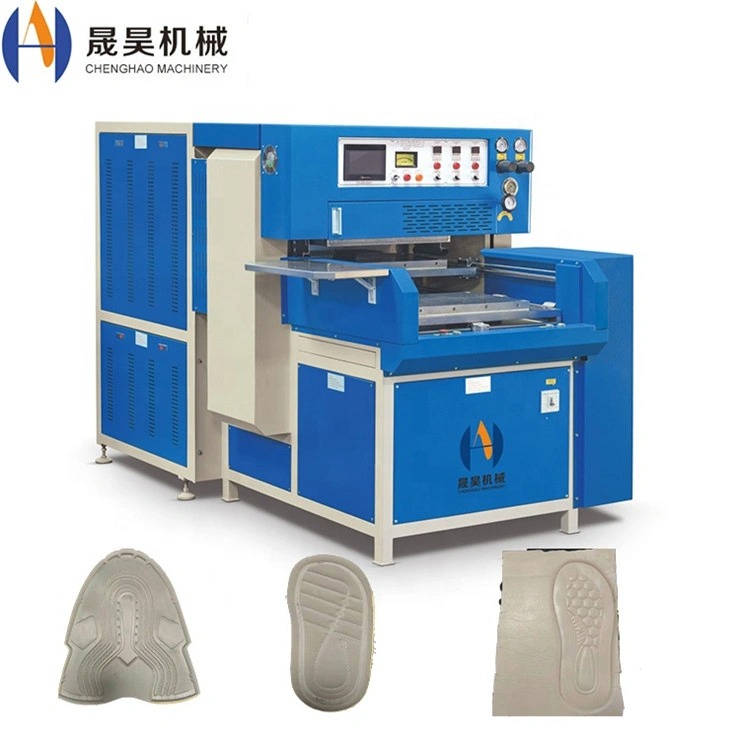
plastic welding: Methods, Materials, and Industrial Applications
Plastic welding is a critical manufacturing process used to permanently join thermoplastic components across automotive, medical, packaging, and electronics industries. Unlike adhesive bonding or mechanical fastening, plastic welding technology creates molecular-level fusion bonds with tensile strength reaching 80–95% of the parent material. This guide covers the principal welding methods, material compatibility, process parameters, and equipment selection criteria for production environments.
1. Overview of Plastic Welding Methods
Thermoplastic welding methods are classified by the energy source used to achieve melt-flow at the joint interface. Each method is optimized for specific part geometries, production volumes, and material types. The five principal industrial methods are compared below.
| Method | Energy Source | Cycle Time | Weld Strength | Typical Applications |
|---|---|---|---|---|
| High-Frequency (HF) | 27.12 MHz RF field | 2–8 sec | 85–95% parent | PVC packaging, medical bags, inflatable products |
| Ultrasonic | 20–40 kHz vibration | 0.1–3 sec | 80–92% parent | ABS housings, PP components, electronics enclosures |
| Hot Press / Heat Plate | Heated platen contact | 15–60 sec | 88–95% parent | PE/PP pipes, automotive dashboards, large panels |
| Hot Melt | Heated adhesive gun | 10–30 sec | 60–80% parent | Packaging, furniture trim, light assembly |
| Heat Sealing | Bar / impulse heat | 1–5 sec | 75–90% parent | Film pouches, blister packs, flexible packaging |
2. Material Compatibility and Weldability
Only thermoplastic materials can be welded; thermosets and elastomers (unless thermoplastic-modified) are not weldable. Weldability depends on compatible melting temperatures, similar melt-flow indices, and molecular chain compatibility. The table below lists the most common industrial plastics and their recommended welding methods.
| Material | Melt Temp (°C) | HF | Ultrasonic | Hot Press | Heat Seal |
|---|---|---|---|---|---|
| PVC (rigid/flexible) | 160–210 | Excellent | Good | Good | Good |
| ABS | 210–240 | Poor | Excellent | Good | Fair |
| PP / PE | 130–170 | Poor | Good | Excellent | Excellent |
| PET / PETG | 250–270 | Fair | Good | Good | Good |
| PC (Polycarbonate) | 260–300 | Poor | Excellent | Good | Fair |
| Nylon (PA) | 220–265 | Poor | Good | Good | Fair |
| TPU / TPE | 160–200 | Excellent | Good | Good | Good |
3. High-Frequency Plastic Welding: Process Parameters
High-frequency welding is the dominant method for PVC, TPU, and polar thermoplastics. The electromagnetic field at 27.12 MHz induces dielectric heating within the material rather than applying external heat, producing uniform melt zones with minimal surface marking. Key process parameters are listed below.
| Parameter | Typical Range | Effect on Weld |
|---|---|---|
| Output Power (kW) | 3–60 kW | Higher power = faster heating; must not exceed arc threshold |
| Weld Time (sec) | 0.5–8 sec | Longer time increases melt depth; excessive time causes burn-through |
| Cooling Time (sec) | 1–10 sec | Determines crystallisation and final joint strength |
| Electrode Pressure (kN) | 0.5–6 kN | Ensures intimate contact; excess pressure squeezes melt out |
| Electrode Gap (mm) | 0.1–0.5 mm | Controls field concentration; affects seam width and depth |
| Material Thickness (mm) | 0.1–8 mm | Thicker materials require higher power or longer weld time |
4. Ultrasonic Plastic Welding: Process Parameters
Ultrasonic welding converts high-frequency mechanical vibrations into frictional heat at the joint interface, enabling sub-second cycle times for rigid thermoplastic housings. The process is highly repeatable and suitable for clean-room environments as it requires no consumables.
| Parameter | 20 kHz System | 40 kHz System | Notes |
|---|---|---|---|
| Amplitude (µm) | 20–100 µm | 10–50 µm | Higher amplitude for semi-crystalline polymers |
| Weld Pressure (bar) | 1–6 bar | 0.5–4 bar | Optimised per joint design |
| Weld Time (sec) | 0.1–2.0 sec | 0.1–1.5 sec | Shorter time at 40 kHz due to lower mass vibration |
| Horn Material | Titanium / Aluminium | Titanium | Titanium preferred for high-durability runs |
| Max Part Size | Up to 400 × 600 mm | Up to 200 × 300 mm | 20 kHz suitable for large assemblies |
5. Joint Design for Plastic Welding
Joint geometry is as critical as machine parameters in determining weld quality. Poorly designed joints produce weak, inconsistent bonds regardless of machine settings. The four most common joint designs are described below.
Butt Joint
Simplest geometry; suitable for hot press and pipe welding. Requires precise surface preparation and fixturing. Tensile strength: 70–85% parent material.
Energy Director
Triangular rib moulded into one part concentrates ultrasonic energy at the apex; standard for rigid thermoplastic assemblies. Strength: 80–92% parent.
Shear Joint
Interference-fit design; melt flows laterally along the shear surface. Recommended for semi-crystalline polymers (PP, PE, Nylon). Strength: 85–95% parent.
Tongue and Groove
Self-aligning geometry that contains melt flash internally; ideal for hermetic seals in medical and fluid-handling assemblies. Strength: 80–90% parent.
6. Industry Applications
Industrial plastic welding is used in every sector requiring strong, clean, and repeatable polymer joints. The table below outlines the primary application areas, materials, and preferred methods used across industries.
| Industry | Application | Material | Preferred Method |
|---|---|---|---|
| Automotive | Dashboards, door panels, fluid reservoirs, sun visors | PP, ABS, PC, PA | Ultrasonic, Hot Press, HF |
| Medical | IV bags, blood collection pouches, diagnostic housings | PVC, PET, PP | HF, Ultrasonic, Heat Seal |
| Packaging | Blister packs, flexible pouches, clamshell packaging | PVC, PET, PE | HF, Heat Seal, Blister Forming |
| Consumer Electronics | Device enclosures, connectors, PCB housings | ABS, PC, PA | Ultrasonic |
| Sporting Goods | Inflatable balls, tents, waterproof gear, gloves | PVC, TPU | HF |
| Construction | Geomembranes, pipes, waterproofing membranes | HDPE, PP, PVC | Hot Press, Extrusion Weld |
7. Equipment Selection Guide
Selecting the correct welding machine for a production line requires matching five technical criteria to the application requirements.
01 — Material Type
Confirm whether the material is polar (PVC, TPU — HF-weldable) or non-polar (PP, PE, ABS — requires ultrasonic or hot press). Mixing non-compatible materials requires adhesive promotion.
02 — Part Geometry
Large flat seams → HF or heat seal; 3D complex joints → ultrasonic with custom horn; thick-wall assemblies → hot press. Custom electrodes and dies are available for non-standard shapes.
03 — Production Volume
High-volume (>10,000 pcs/day) favours ultrasonic (0.1–3 sec cycles) or automated HF lines. Pilot and mid-volume runs use manual HF or semi-automatic hot press machines.
04 — Weld Quality Standard
Medical and aerospace joints require hermetic seals with ≥90% parent strength — ultrasonic with energy director or HF. General packaging may accept 75–85% with heat sealing.
05 — Tooling Investment
HF electrodes: USD 200–2,000 per set. Ultrasonic horns: USD 500–5,000. Hot press platens: USD 300–3,000. Factor tooling cost into total cost of ownership for short-run projects.
8. Quality Control in Plastic Welding
Consistent weld quality requires systematic process monitoring and destructive/non-destructive testing protocols. The plastic welding process must be validated against three quality dimensions.
| Test Type | Method | Pass Criterion | Frequency |
|---|---|---|---|
| Tensile Strength | ISO 527 / ASTM D638 pull test | ≥80% parent material UTS | Start of shift + every 500 pcs |
| Peel Test | 180° peel at 50 mm/min | Failure in parent, not weld zone | Hourly for flexible film |
| Pressure / Leak Test | Air pressure at 1.5× working pressure | Zero leakage for 60 seconds | 100% for medical and fluid parts |
| Visual Inspection | 10× magnification, cross-section slice | No voids, porosity, or cold shuts | Per batch, 5-piece sample |
Frequently Asked Questions
Get Plastic Welding Equipment Advice
Chenghao Machinery supplies high-frequency, ultrasonic, and hot press welding systems for industrial production. Share your material type, part dimensions, and output volume for a matched equipment recommendation.
Dongguan Shenghao Machinery Co., Ltd. (Chenghao Machinery) | sales11@chenghaointernational.com | +86 158 1765 5869
Dongguan, Guangdong, China