
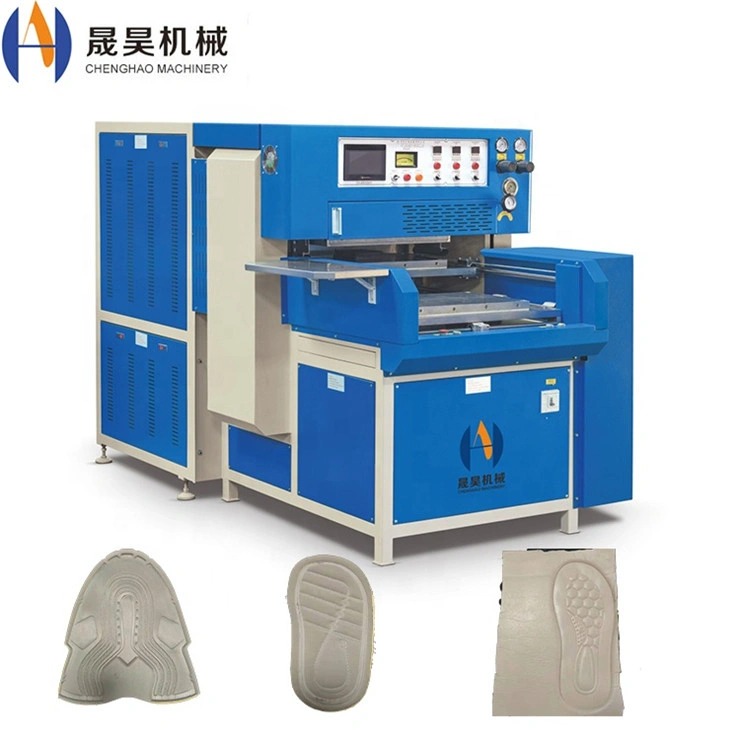
In today’s manufacturing industry, achieving strong, reliable, and clean joints is essential for product performance and durability. plastic welding is a highly efficient process that joins thermoplastic materials through heat, pressure, or vibration, creating seamless and durable bonds. Compared to traditional fastening or adhesive methods, plastic welding offers higher strength, better sealing performance, and improved production efficiency.
Chenghao Machinery provides advanced equipment for industrial Plastic Welding, helping manufacturers enhance productivity, ensure consistent quality, and reduce operational costs across various applications.
What Is Plastic Welding?
Plastic Welding is a process that fuses thermoplastic materials by applying energy—such as heat, ultrasonic vibration, or high-frequency electromagnetic waves—combined with pressure. The materials melt at the joint interface and solidify into a single, मजबूत bond once cooled.
Unlike adhesives or mechanical fastening, plastic welding creates molecular-level bonding, ensuring long-lasting strength and durability.
Common materials used in Plastic Welding include:
- PVC (Polyvinyl Chloride)
- PP (Polypropylene)
- PE (Polyethylene)
- ABS
- PET
- TPU
Main Types of Plastic Welding
High Frequency Welding
High frequency (RF) welding uses electromagnetic energy to heat materials internally. It is ideal for PVC and TPU products such as inflatable items, medical bags, and automotive interiors.
Ultrasonic Welding
Ultrasonic welding uses high-frequency vibration to generate frictional heat at the joint surface. This method is fast, precise, and widely used in electronics, medical, and packaging industries.
Hot Plate Welding
This method uses a heated plate to melt plastic surfaces before pressing them together. It is suitable for large or thick plastic components.
Hot Air Welding
Hot air softens plastic edges, allowing them to be fused together. It is commonly used in plastic fabrication and repair applications.
Key Advantages of Plastic Welding
1. Strong and Durable Joints
Plastic Welding creates molecular bonding, resulting in joints that are highly resistant to stress, impact, and environmental conditions.
2. Airtight and Watertight Sealing
Plastic welding ensures leak-proof connections, making it ideal for medical products, inflatable items, and packaging applications.
3. High Production Efficiency
Automated welding systems enable fast cycle times and consistent results, increasing overall production capacity.
4. Clean and Eco-Friendly Process
No adhesives or chemicals are required, reducing environmental impact and improving workplace safety.
5. Cost-Effective Manufacturing
Reduced material waste and fewer assembly steps lower production costs and improve operational efficiency.
Applications of Plastic Welding
Plastic Welding is widely used across multiple industries:
Automotive Industry
- Interior panels
- Door trims
- Dashboard components
- Fluid containers
Lightweight and durable plastic components improve vehicle efficiency.
Medical Industry
- Blood bags and IV bags
- Medical device housings
- Protective equipment
Precision welding ensures hygiene and reliability.
Packaging Industry
- Blister packaging
- Clamshell sealing
- Food packaging
Secure sealing enhances product protection and shelf life.
Electronics Industry
- Battery packs
- Plastic enclosures
- Connectors
Ultrasonic plastic welding protects sensitive electronic components.
Consumer and Outdoor Products
- Inflatable boats
- Waterproof bags
- Toys and sporting goods
Strong sealing ensures durability and performance.
Features of Chenghao Plastic Welding Equipment
Chenghao Machinery offers advanced Plastic Welding equipment with the following features:
- Stable frequency and vibration systems
- Precision control of temperature, pressure, and time
- Heavy-duty machine structure
- Custom mold compatibility
- Automation integration options
- Safety protection systems
Our machines are designed for both standard production and customized industrial applications.
How to Choose the Right Plastic Welding Solution
When selecting a Plastic Welding system, consider:
- Material Type – Ensure compatibility with the welding method.
- Product Design – Determine weld size, strength, and precision requirements.
- Production Volume – Choose between manual, semi-automatic, or automated systems.
- Quality Control – Advanced systems provide better consistency.
- Technical Support – Reliable suppliers ensure long-term performance.
Proper selection ensures efficient operation and high-quality results.
Why Invest in Plastic Welding?
Investing in Plastic Welding technology allows manufacturers to:
- Improve product durability and reliability
- Increase production efficiency
- Reduce material waste and labor costs
- Achieve consistent quality
- Meet industry standards and regulations
As industries demand higher performance and sustainability, plastic welding provides a competitive advantage.
Conclusion
Plastic Welding is an essential technology for modern manufacturing, offering strong, precise, and efficient bonding solutions. Its wide range of applications across automotive, medical, packaging, electronics, and consumer goods industries makes it indispensable for industrial production.
Chenghao Machinery delivers reliable and high-performance Plastic Welding equipment tailored to your needs. Whether you require high frequency, ultrasonic, or customized solutions, we are committed to supporting your manufacturing success with advanced technology and professional expertise.