
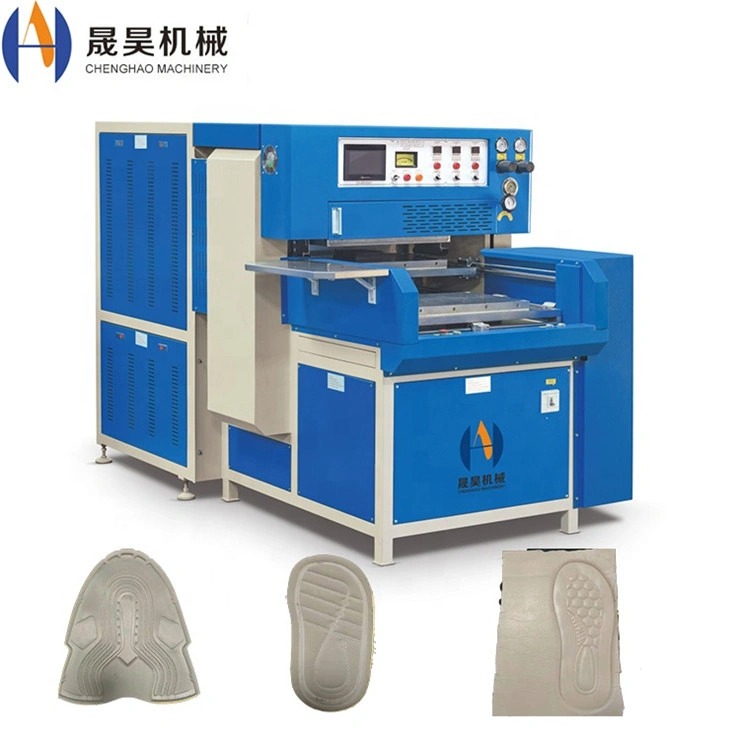
As industries move toward lightweight materials and high-performance products, plastic welding has become a cornerstone technology in modern manufacturing. It enables manufacturers to create strong, seamless joints without additional fasteners or adhesives, significantly improving both product quality and production efficiency.
Unlike traditional bonding methods, plastic welding focuses on material fusion, making it ideal for applications that require durability, airtight sealing, and long-term reliability.
How Plastic Welding Works
Plastic Welding involves heating thermoplastic materials to their melting point and applying controlled pressure to fuse them together. Once cooled, the joint becomes a single continuous structure rather than two separate parts.
Different energy sources can be used in the process:
- Mechanical vibration (ultrasonic)
- Electromagnetic waves (high frequency)
- Direct heat (hot plate / hot air)
- Friction or spin welding
Each method serves specific industrial needs depending on material type, product design, and production volume.
Why Plastic Welding Is Replacing Traditional Bonding
Manufacturers are increasingly shifting to Plastic Welding because it offers advantages that adhesives and mechanical fastening cannot match.
Stronger Structural Integrity
Welded joints are formed at the molecular level, making them more resistant to stress, vibration, and environmental exposure.
Faster Production Cycles
Plastic welding eliminates curing time required by adhesives, allowing immediate handling and faster throughput.
Cleaner Manufacturing Process
No glue, no solvents, and no residue—this reduces contamination risks and supports cleaner production environments.
Lower Assembly Complexity
Fewer components (no screws or rivets) simplify product design and reduce assembly steps.
Choosing the Right Plastic Welding Method
Selecting the appropriate Plastic Welding technique is critical for achieving optimal results.
Ultrasonic Welding
Best for small, precise components with high production speed requirements. Common in electronics and medical devices.
High Frequency Welding
Ideal for soft plastics like PVC and TPU. Used in inflatable products, medical bags, and automotive interiors.
Hot Plate Welding
Suitable for large or thick plastic parts requiring strong structural joints.
Hot Air Welding
Often used in fabrication and repair of plastic sheets, pipes, and tanks.
Each method has its own advantages depending on the application and material properties.
Industrial Applications of Plastic Welding
Plastic Welding is widely used across multiple sectors:
Automotive Manufacturing
Plastic components reduce vehicle weight while maintaining strength. Welding ensures durable joints for dashboards, panels, and fluid systems.
Medical Device Production
Sterile and leak-proof welding is essential for IV bags, blood bags, and medical packaging.
Packaging Industry
Blister packs, clamshells, and food containers rely on welding for secure sealing and product protection.
Electronics Assembly
Ultrasonic welding is used for battery housings, connectors, and protective casings.
Consumer Products
Items like waterproof bags, inflatable goods, and sports equipment depend on strong, flexible welds.
Key Factors Affecting Plastic Welding Quality
To achieve consistent results in Plastic Welding, manufacturers must control several variables:
- Temperature or energy input
- Welding time
- Pressure applied
- Material compatibility
- Joint design
Poor control of these factors can lead to weak joints, deformation, or product failure.
Equipment Considerations for Plastic Welding
Modern Plastic Welding equipment is designed for precision and automation. Key features include:
- Digital control systems for parameter accuracy
- Automated cycle operation for consistency
- Custom tooling for different product shapes
- Safety protection systems
- Integration with production lines
Choosing the right equipment directly impacts production efficiency and product quality.
Future Trends in Plastic Welding
With the rise of smart manufacturing, Plastic Welding is evolving toward:
- Fully automated production lines
- AI-based process control
- Energy-efficient systems
- Integration with Industry 4.0 technologies
These advancements are helping manufacturers achieve higher efficiency, lower costs, and improved quality control.
Conclusion
Plastic Welding is no longer just an alternative—it is a primary solution for modern industrial bonding. Its ability to deliver strong, clean, and efficient joints makes it essential across automotive, medical, packaging, and electronics industries.
As manufacturing continues to evolve, adopting advanced plastic welding technologies will be key to maintaining competitiveness, improving product performance, and meeting global production standards.