
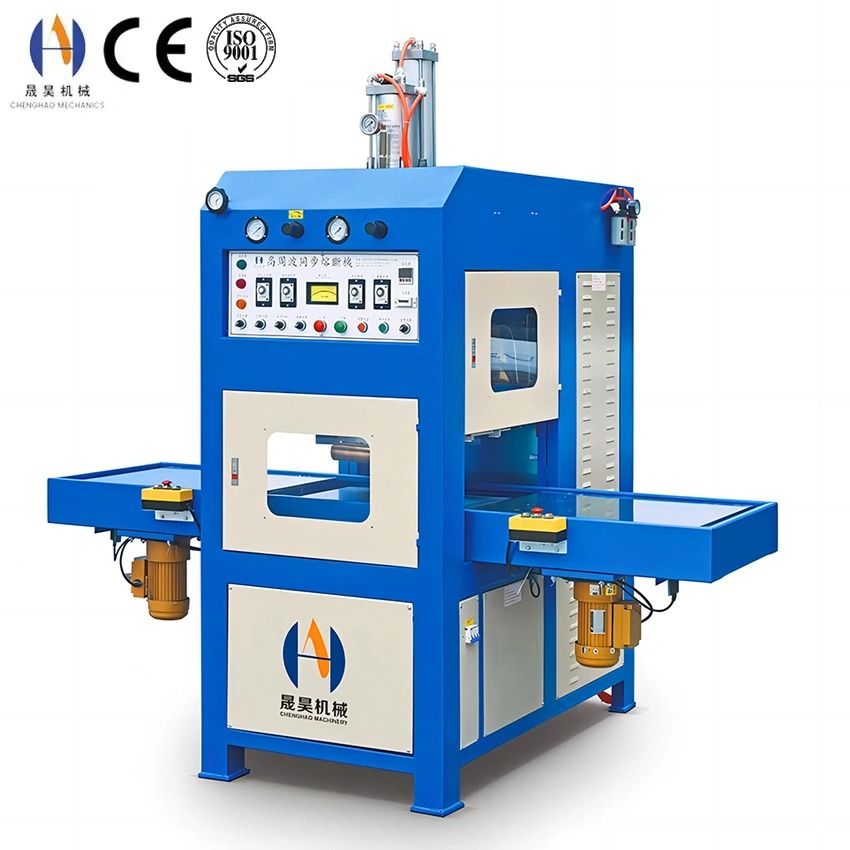
In the evolving world of industrial production, manufacturers are constantly seeking technologies that improve efficiency, precision, and product durability. A high frequency machine has become an essential solution for welding and sealing thermoplastic materials, especially in industries that demand airtight, waterproof, and high-strength bonding.
With its ability to deliver fast and consistent results, high frequency technology is widely adopted in modern manufacturing systems.
Understanding High Frequency Machine Technology
A High Frequency Machine operates by generating electromagnetic waves that penetrate thermoplastic materials. These waves create internal molecular friction, producing heat that melts the material from within. When pressure is applied, the materials fuse together and form a strong, seamless bond after cooling.
This internal heating mechanism is what differentiates high frequency welding from traditional external heating methods. It allows for:
- Uniform heat distribution
- Minimal surface damage
- High bonding strength
Why High Frequency Machines Are Widely Used
The popularity of the High Frequency Machine comes from its ability to solve key manufacturing challenges.
Consistent Welding Quality
Because the heat is generated internally, the welding process is highly uniform, reducing defects such as uneven seams or weak joints.
High-Speed Production
Short cycle times make it suitable for mass production environments where efficiency is critical.
Strong Sealing Performance
High frequency welding creates airtight and watertight seals, making it ideal for products that must withstand pressure or environmental exposure.
Clean Manufacturing Process
No adhesives or chemicals are required, which simplifies production and reduces contamination risks.
Materials Suitable for High Frequency Machines
Not all plastics respond to high frequency energy. A High Frequency Machine is best suited for polar thermoplastics, including:
- PVC
- TPU
- EVA
- PET
- PU-coated fabrics
These materials react effectively to electromagnetic fields, ensuring efficient heat generation and bonding.
Industrial Applications of High Frequency Machines
A High Frequency Machine is used across various sectors due to its versatility.
Automotive Industry
Used for welding interior components such as seat covers, sun visors, and door panels. The process ensures durability and a clean finish.
Medical Manufacturing
Essential for producing medical bags, air cushions, and protective covers that require leak-proof sealing.
Packaging Industry
Applied in blister packaging and clamshell sealing, ensuring product protection and improved shelf appeal.
Inflatable Products
Widely used for air mattresses, inflatable boats, and waterproof bags where airtight sealing is critical.
Key Components of a High Frequency Machine
Understanding the structure of a High Frequency Machine helps in optimizing performance:
- RF generator for frequency output
- Electrodes for energy transfer
- Molds for shaping and sealing
- Pneumatic systems for pressure control
- Safety devices for spark protection
Each component plays a role in maintaining stable operation and consistent results.
How to Select the Right High Frequency Machine
Choosing the correct High Frequency Machine depends on several practical factors.
Product Requirements
Consider the size, thickness, and shape of the product to determine machine specifications.
Material Compatibility
Ensure the material used is suitable for high frequency welding.
Production Volume
High-output manufacturing may require automated or larger-capacity machines.
Precision Needs
Advanced control systems are important for applications requiring high accuracy.
Supplier Expertise
Working with an experienced manufacturer ensures proper machine configuration and long-term support.
Common Challenges and Solutions
While High Frequency Machines offer many advantages, certain challenges may arise:
- Uneven welding → solved by adjusting pressure and mold design
- Material burning → controlled by optimizing frequency and time
- Spark issues → prevented with proper safety protection systems
Proper setup and maintenance are key to avoiding these issues.
Future Development of High Frequency Machines
With the advancement of industrial automation, High Frequency Machines are evolving toward:
- Intelligent control systems
- Energy-efficient designs
- Integration with automated production lines
- Real-time monitoring and diagnostics
These innovations are helping manufacturers achieve higher productivity and better quality control.
Conclusion
A High Frequency Machine is a powerful solution for industrial welding and sealing applications. Its ability to provide strong, precise, and efficient bonding makes it indispensable in industries such as automotive, medical, packaging, and consumer goods.
As manufacturing continues to advance, adopting high frequency technology will enable companies to improve product quality, reduce costs, and stay competitive in the global market.