
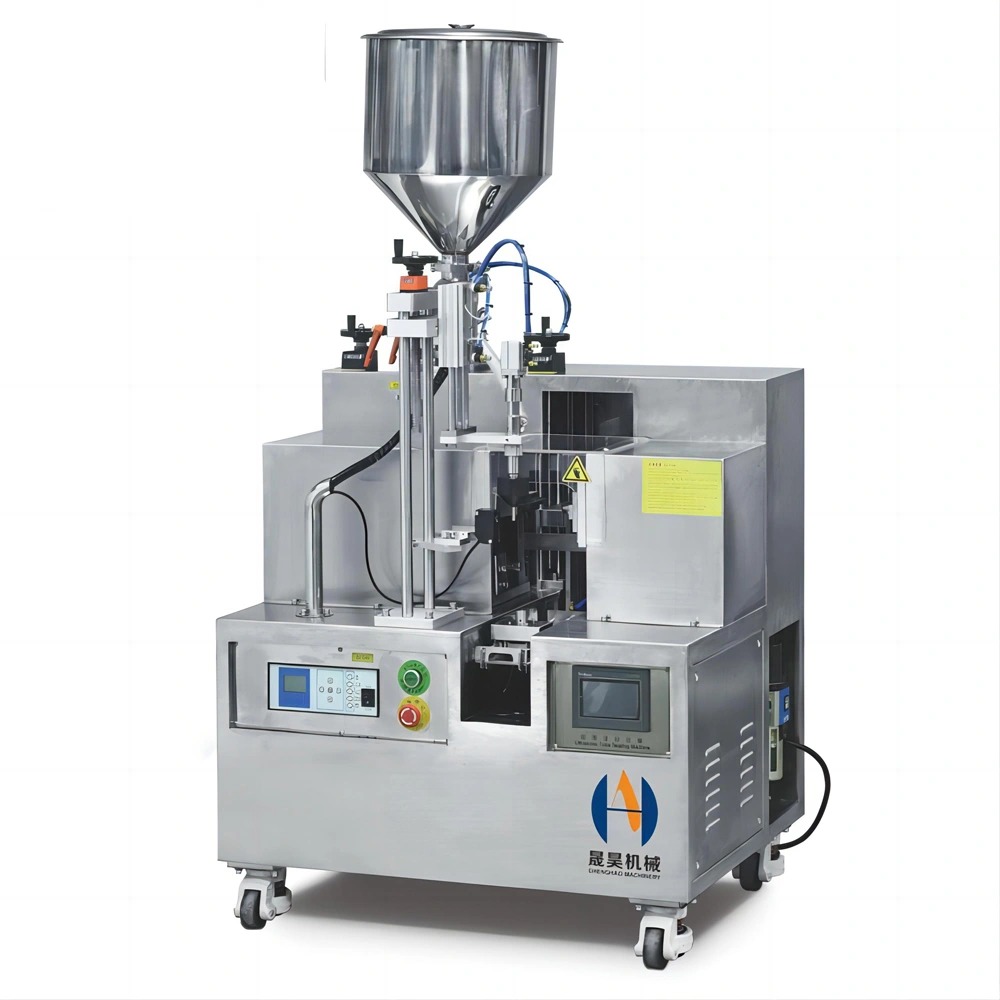
As manufacturing processes demand faster production and higher precision, the ultrasonic machine has become a key technology for joining thermoplastic materials. Known for its speed, accuracy, and clean operation, ultrasonic welding is widely used in industries where product quality and efficiency are critical.
From electronics to medical devices, an Ultrasonic Machine enables manufacturers to achieve reliable bonding without the need for adhesives or excessive heat.
How an Ultrasonic Machine Works
An Ultrasonic Machine converts electrical energy into high-frequency mechanical vibrations. These vibrations are transmitted through a tool (horn) to the materials being joined. The friction generated at the contact surface produces localized heat, causing the material to melt and fuse together under pressure.
This process offers several advantages over traditional welding:
- Heat is generated only at the weld point
- Surrounding material remains unaffected
- Bonding occurs within seconds
Why Ultrasonic Machines Are Preferred in Industry
The Ultrasonic Machine is widely adopted because it solves multiple production challenges.
Ultra-Fast Cycle Time
Welding cycles are extremely short, often less than one second, making it ideal for high-volume manufacturing.
High Precision
The localized energy ensures accurate bonding even for small or complex components.
No Additional Materials Required
No glue, screws, or solvents are needed, simplifying production and reducing costs.
Clean and Safe Process
Ultrasonic welding produces minimal fumes or waste, supporting environmentally friendly manufacturing.
Materials Suitable for Ultrasonic Welding
An Ultrasonic Machine works best with thermoplastics that soften under vibration, including:
- ABS
- PP
- PE
- PS
- Nylon
- PET
Material compatibility is essential for achieving strong and consistent welds.
Applications of Ultrasonic Machines
The flexibility of an Ultrasonic Machine makes it suitable for a wide range of industries.
Electronics Industry
Used for assembling plastic housings, connectors, and battery components where precision is critical.
Medical Industry
Ideal for sterile products such as masks, filters, and disposable medical devices.
Automotive Industry
Applied in interior parts, sensor housings, and lightweight plastic assemblies.
Packaging Industry
Used for sealing blister packs and clamshell packaging with high efficiency.
Textile and Nonwoven Industry
Perfect for cutting and sealing synthetic fabrics without fraying edges.
Core Components of an Ultrasonic Machine
A typical Ultrasonic Machine includes:
- Ultrasonic generator (power supply)
- Transducer (converts energy)
- Booster (amplifies vibration)
- Horn (applies vibration to material)
- Control system (adjusts parameters)
Each component must work in harmony to ensure stable welding performance.
Key Factors for Optimal Ultrasonic Welding
To achieve the best results with an Ultrasonic Machine, several parameters must be carefully controlled:
- Amplitude (vibration intensity)
- Welding time
- Pressure applied
- Joint design
- Material thickness
Fine-tuning these variables ensures strong, consistent welds.
How to Choose the Right Ultrasonic Machine
When selecting an Ultrasonic Machine, consider:
Product Design
Complex or small parts require higher precision and specialized tooling.
Production Volume
High-speed production lines benefit from fully automated systems.
Material Type
Ensure compatibility with ultrasonic welding technology.
Control Features
Advanced machines provide better accuracy and repeatability.
Technical Support
Reliable after-sales service is essential for long-term operation.
Advantages Over Traditional Welding Methods
Compared to other methods, an Ultrasonic Machine offers:
- Faster processing speed
- Lower energy consumption
- Minimal thermal impact
- Cleaner production environment
- Reduced maintenance requirements
These benefits make ultrasonic technology a preferred choice for modern manufacturers.
Future Trends in Ultrasonic Machines
The development of Ultrasonic Machines is moving toward smarter and more efficient systems:
- Digital and programmable controls
- Integration with robotic automation
- Real-time quality monitoring
- Energy-saving technologies
These advancements support Industry 4.0 and intelligent manufacturing.
Conclusion
An Ultrasonic Machine is a highly efficient and precise solution for plastic welding and material bonding. Its ability to deliver fast, clean, and reliable results makes it essential in industries such as electronics, medical, automotive, and packaging.
As production demands continue to grow, investing in ultrasonic technology allows manufacturers to improve efficiency, reduce costs, and maintain consistent product quality.