
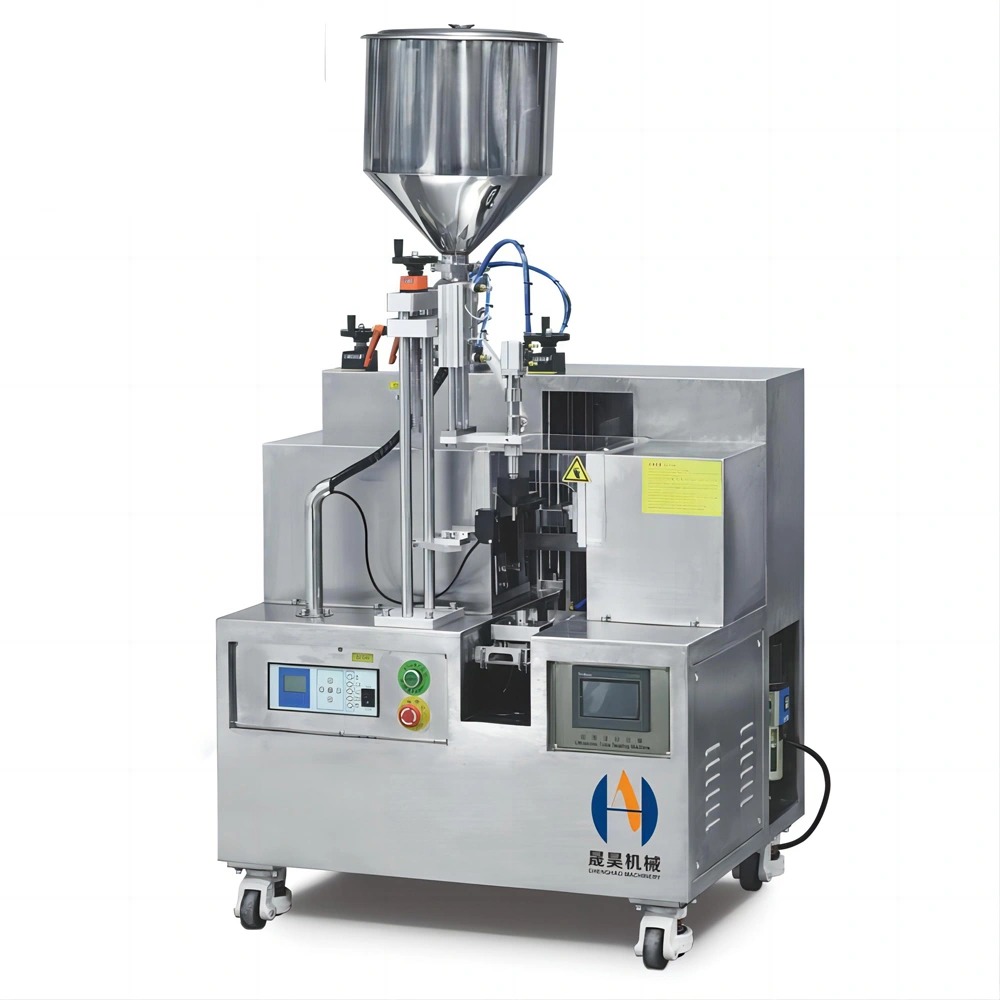
ultrasonic machine is advanced welding equipment that uses high-frequency ultrasonic vibrations to create strong, clean bonds between materials without external heat. This technology is widely applied across automotive, medical device, packaging, and electronics industries. This comprehensive guide covers ultrasonic machine fundamentals, applications, technical parameters, and selection criteria to help you make informed purchasing decisions.
What is an Ultrasonic Machine?
An ultrasonic machine is a precision welding device that generates ultrasonic vibrations at frequencies typically between 20 kHz and 40 kHz. These rapid vibrations produce frictional heat at the material interface, creating molecular bonds without requiring additional adhesives, solvents, or external heating sources.
The core components of an ultrasonic machine include:
- Ultrasonic generator: Converts electrical power to high-frequency AC signals
- Transducer (Piezoelectric): Transforms electrical signals into mechanical vibrations
- Booster: Amplifies vibration amplitude
- Sonotrode (Horn): Delivers focused vibrations to the workpiece
- Pneumatic press system: Applies consistent pressure during welding
This non-thermal bonding process makes ultrasonic machine technology particularly suitable for heat-sensitive materials and applications requiring high production throughput.
How Ultrasonic Machine Technology Works
The ultrasonic welding process follows a precise sequence:
- Material positioning: Parts are placed between the sonotrode and anvil
- Pressure application: Pneumatic system applies consistent clamping force
- Ultrasonic activation: Generator produces 20-40 kHz vibrations
- Vibration transfer: Energy passes through booster to sonotrode
- Frictional heat generation: Surface molecules vibrate and heat internally
- Bond formation: Materials fuse at the joint line under pressure
- Cooling and solidification: Joint stabilizes without external cooling
The entire cycle typically completes in 0.1 to 2 seconds, making ultrasonic machine technology one of the fastest plastic joining methods available in modern manufacturing.
Key Parameters of Ultrasonic Machine Systems
| Parameter | Typical Range | Notes |
|---|---|---|
| Frequency | 15-40 kHz | Lower frequency = deeper penetration |
| Power output | 500-5000 W | Matches application requirements |
| Weld time | 0.1-2.0 seconds | Rapid cycle time |
| Air pressure | 2-8 bar | Controls clamping force |
| Amplitude | 10-120 microns | Adjustable via booster ratio |
Applications of Ultrasonic Machine in Manufacturing
Ultrasonic machine applications span multiple industries due to their versatility, speed, and clean bonding characteristics:
Automotive Industry
- Instrument clusters and dashboard components
- Door panels and interior trim assemblies
- Airbag covers and safety components
- Battery housings for electric vehicles
- Fluid reservoirs and tank assemblies
Medical Device Manufacturing
- Syringe barrels and medical containers
- IV tubing sets and fluid administration
- Implant packaging sterile seals
- Diagnostic device housings
- Surgical instrument components
Packaging Industry
- Blister packaging seals for pharmaceuticals
- Food container closures
- Flexible packaging transverse seals
- Cosmetic compact cases and containers
- Electronics protective packaging
Electronics and Consumer Goods
- Mobile phone component assembly
- Computer peripheral housings
- Home appliance plastic panels
- Toy manufacturing and assembly
- Wearable device components
Materials Compatible with Ultrasonic Machine Technology
The ultrasonic welding process works most effectively with thermoplastics that have compatible molecular structures:
| Material | Ultrasonic Weldability | Typical Frequency |
|---|---|---|
| ABS | Excellent | 20-40 kHz |
| Polycarbonate | Excellent | 20-40 kHz |
| PVC | Good | 30-40 kHz |
| PMMA (Acrylic) | Good | 20-40 kHz |
| Nylon | Moderate | 20-30 kHz |
| Polyethylene | Difficult | 15-20 kHz |
| Polypropylene | Difficult | 15-20 kHz |
Note: Weldability depends on material grade, moisture content, and part design. Contact our technical team for material-specific recommendations.
Ultrasonic Machine vs Other Welding Technologies
Understanding the differences between ultrasonic welding machines and alternative technologies helps in selecting the right equipment:
| Technology | Speed | Heat Effect | Energy Cost | Best For |
|---|---|---|---|---|
| Ultrasonic | Very Fast | Localized | Low | Precision parts |
| Hot plate welding | Slow | Wide area | High | Large parts |
| Laser welding | Fast | Very localized | Medium | Aesthetic joints |
| Adhesive bonding | Very slow | None | Low | Dissimilar materials |
Ultrasonic machine technology offers the optimal balance of speed, precision, and energy efficiency for plastic joining applications where clean, strong bonds are required without thermal damage to surrounding areas.
How to Select the Right Ultrasonic Machine
Choosing an ultrasonic welding machine requires careful evaluation of several factors:
1. Frequency Selection
- 15-20 kHz: Larger parts, deeper penetration, higher amplitude
- 20-30 kHz: General purpose, balanced performance
- 30-40 kHz: Precision parts, fine welding, lower amplitude
2. Power Requirements
Match power output to part size and material thickness. Larger or thicker parts require higher wattage systems to ensure complete energy transfer through the weld interface.
3. Press Configuration
Consider horn size and stroke requirements based on your part geometry. Standard configurations include:
- Linear/vertical press: Most common configuration for general applications
- Corner press: For angular or side-access welding
- Rotary table: For high-volume production with multiple stations
- Continuous web: For inline packaging applications
4. Jig and Fixture Requirements
Custom jigs and fixtures ensure accurate part positioning and consistent weld quality. Consider fixturing complexity for your specific application.
Maintenance and Care for Ultrasonic Machine Equipment
Proper maintenance extends equipment life and ensures consistent weld quality:
- Sonotrode inspection: Check for wear, cracks, or surface degradation regularly
- Booster alignment: Ensure proper coupling to maintain amplitude
- Transducer testing: Periodic impedance analysis to verify piezoelectric health
- Air supply maintenance: Use clean, dry air; install proper filtration
- Generator calibration: Verify frequency and power output accuracy
- Part replacement schedule: Follow manufacturer guidelines for wear parts
Regular preventive maintenance reduces unplanned downtime and maintains product quality consistency.
Frequently Asked Questions
What is the typical cycle time for ultrasonic welding?
Most ultrasonic welding cycles complete in 0.1 to 2 seconds, depending on material type, part thickness, and joint design. This makes it one of the fastest plastic joining methods available.
Can ultrasonic machines weld dissimilar plastics?
Yes, compatible thermoplastics with similar melting temperatures can be welded together. However, materials with significantly different properties may require energy directors or alternative joining methods.
What causes weld failures in ultrasonic machine operations?
Common causes include incorrect amplitude settings, contaminated material surfaces, excessive part gap, improper horn alignment, and worn sonotrode tips. Regular maintenance and parameter optimization prevent most issues.
How long do ultrasonic horns and sonotrodes last?
Service life varies by application frequency, power levels, and material being processed. Typical lifespan ranges from 6 months to 2 years for regular production use, with high-wear applications requiring more frequent replacement.
Conclusion
Ultrasonic machine technology provides manufacturers with a fast, clean, and energy-efficient method for joining thermoplastic materials. With cycle times measured in fractions of a second and bonds that are often stronger than the base materials themselves, ultrasonic welding machines are essential equipment for modern production facilities.
Whether you are producing automotive interiors, medical devices, consumer electronics, or packaging solutions, investing in quality ultrasonic welding equipment delivers significant advantages in productivity, product quality, and overall manufacturing costs.
For specialized applications requiring precision plastic welding or high-speed manufacturing solutions, explore our complete range of ultrasonic welding machines and ultrasonic hose welding equipment.
Ready to Optimize Your Production with Ultrasonic Machine Technology?
Our technical team provides comprehensive support from equipment selection to process optimization. Get personalized recommendations for your specific applications.
Contact UsView Products