
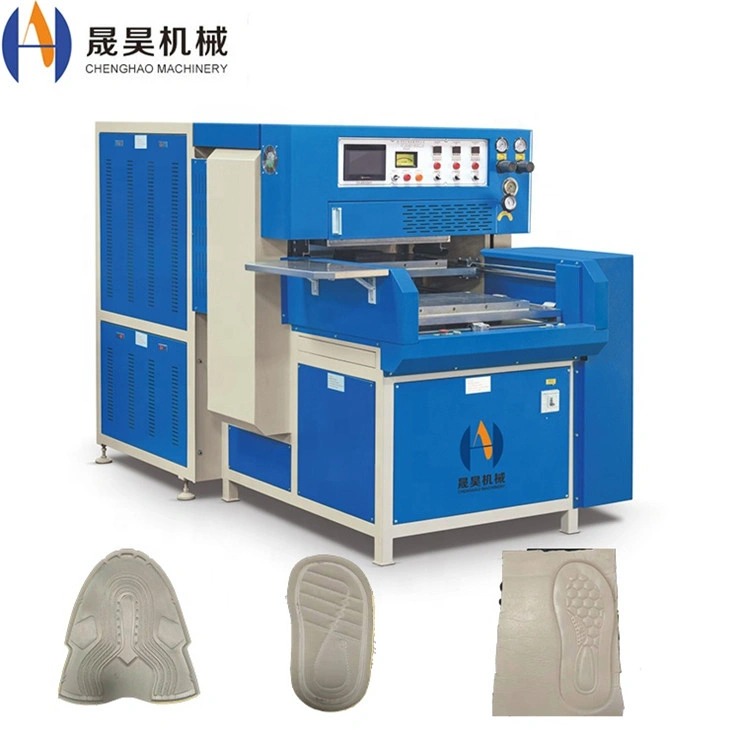
In modern manufacturing, the demand for lightweight materials and high-performance products has made plastic welding an essential production technology. It provides a reliable method for joining thermoplastic components without screws, adhesives, or chemical bonding agents, ensuring strong, durable, and clean joints.
From automotive parts to medical devices and packaging solutions, plastic welding plays a critical role in efficient industrial production.
What Is Plastic Welding?
Plastic Welding is a process that joins thermoplastic materials by applying heat, pressure, or mechanical energy until the surfaces melt and fuse together. Once cooled, the materials form a permanent bond that is often as strong as the original material.
Unlike traditional assembly methods, plastic welding eliminates the need for additional connectors or adhesives.
Main Types of Plastic Welding Processes
Different industrial needs require different Plastic Welding methods:
Ultrasonic Welding
Uses high-frequency vibration to generate frictional heat. Ideal for precision components and small parts.
High Frequency Welding
Uses electromagnetic energy to heat materials internally. Common for PVC and TPU products.
Hot Plate Welding
Applies a heated surface to melt plastic parts before joining them under pressure.
Hot Air Welding
Uses heated air to soften and fuse plastic surfaces, often used in fabrication.
Why Plastic Welding Is Widely Used
The popularity of Plastic Welding comes from its practical industrial advantages.
Strong Structural Bonding
Welded joints form at a molecular level, ensuring high durability and strength.
Fast Production Speed
Welding cycles are short, improving manufacturing efficiency.
Clean Manufacturing Process
No adhesives or solvents are required, reducing contamination risks.
Lightweight Product Design
Eliminates the need for screws or metal fasteners, reducing overall product weight.
Applications of Plastic Welding
Plastic Welding is used across multiple industries:
Automotive Industry
Used in dashboards, interior panels, fluid tanks, and trim components.
Medical Industry
Used for IV bags, blood containers, and sterile medical packaging.
Packaging Industry
Used in blister packs, sealing containers, and protective packaging.
Electronics Industry
Used for battery housings, connectors, and plastic enclosures.
Consumer Products
Used in waterproof bags, inflatable products, and household goods.
Key Factors Affecting Welding Quality
The performance of Plastic Welding depends on several variables:
- Material compatibility
- Temperature or energy input
- Pressure control
- Welding time
- Joint design
Proper control ensures strong and consistent bonding.
Advantages of Plastic Welding Over Traditional Methods
Compared to mechanical fastening or adhesives, Plastic Welding offers:
- Higher joint strength
- Faster production cycles
- Lower material costs
- Cleaner production environment
- Better product sealing performance
These advantages make it ideal for modern industrial manufacturing.
Equipment Used in Plastic Welding
Different welding methods require specialized equipment:
- Ultrasonic welding machines
- High frequency welding machines
- Hot plate welding systems
- Hot air welding tools
- Automated welding production lines
Each system is designed for specific materials and applications.
How to Choose the Right Plastic Welding Method
When selecting a Plastic Welding solution, consider:
Material Type
Different plastics respond to different welding technologies.
Product Structure
Complex shapes may require ultrasonic or high frequency welding.
Production Volume
High-volume production benefits from automated systems.
Precision Requirements
High-accuracy products require advanced control systems.
Cost Efficiency
Choose a method that balances performance and operational cost.
Future Trends in Plastic Welding
The Plastic Welding industry is moving toward:
- Fully automated welding systems
- Smart parameter control
- Energy-efficient technologies
- Integration with robotic production lines
- Real-time quality monitoring
These advancements improve productivity and reduce manufacturing errors.
Conclusion
Plastic Welding is a key technology in modern manufacturing, offering strong, clean, and efficient bonding solutions for a wide range of industries. Its ability to replace traditional fastening methods makes it essential for automotive, medical, packaging, electronics, and consumer product manufacturing.
As production demands increase, plastic welding will continue to play a major role in improving efficiency, reducing costs, and enhancing product quality.