
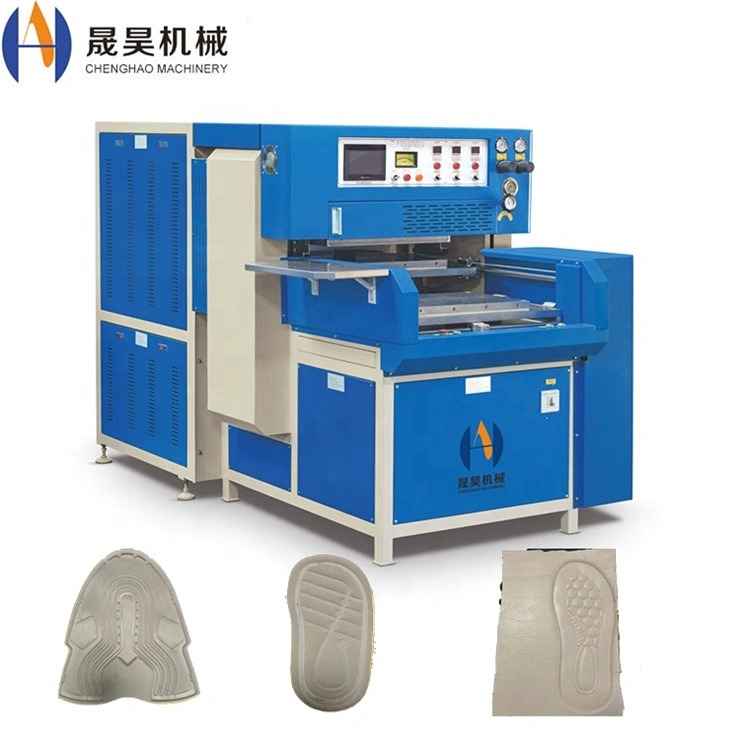
Introduction
Selecting the right plastic joining technology can have a significant impact on product quality, production efficiency, and manufacturing costs. Two widely used technologies are RF welding and ultrasonic welding.
Both methods can create strong and repeatable bonds without traditional adhesives, but they work in fundamentally different ways. RF welding, also called high frequency welding or dielectric welding, uses electromagnetic energy to generate heat within suitable thermoplastic materials. Ultrasonic welding uses high-frequency mechanical vibrations to generate localized heat at the joint.
Understanding the differences between these two technologies is essential when choosing equipment for plastic products, packaging, medical products, automotive components, and other industrial applications.
This guide compares RF welding and ultrasonic welding based on operating principles, material compatibility, product design, production requirements, and typical applications.
What Is RF Welding?
RF welding is a plastic joining process that uses a high-frequency electromagnetic field to generate heat inside certain thermoplastic materials.
The materials are placed between specially designed electrodes. When the high-frequency field is applied, molecules within the material respond to the electromagnetic energy and generate heat. Pressure is applied during the process, allowing the materials to fuse together.
RF welding is also commonly referred to as:
-
High frequency welding
-
HF welding
-
Radio frequency welding
-
Dielectric welding
The technology is particularly suitable for polar thermoplastics such as PVC and TPU.
Common RF Welding Applications
RF welding is widely used for:
-
PVC packaging
-
Blister packaging
-
Inflatable products
-
Medical bags
-
Synthetic leather products
-
Tarpaulins
-
Automotive interior materials
-
Plastic covers
-
Decorative embossing
One major advantage is that the welding process can combine bonding and pattern formation in a single operation.
What Is Ultrasonic Welding?
Ultrasonic welding uses high-frequency mechanical vibrations to join plastic components.
During the process, an ultrasonic generator supplies electrical energy to a transducer. The transducer converts the electrical signal into mechanical vibration, which is transferred through a booster and welding horn to the workpiece.
The vibration creates localized frictional heat at the joint interface. The plastic softens or melts at the contact area, and pressure is maintained until the material cools and forms a solid bond.
Ultrasonic welding is commonly used for:
-
Plastic housings
-
Electronic components
-
Automotive parts
-
Medical devices
-
Small plastic assemblies
-
Consumer products
-
Precision components
RF Welding vs Ultrasonic Welding: How Do They Differ?
Although both technologies use high-frequency energy, their energy sources and applications are quite different.
| Factor | RF Welding | Ultrasonic Welding |
|---|---|---|
| Energy Type | Electromagnetic energy | Mechanical vibration |
| Heat Generation | Internal dielectric heating | Friction at joint interface |
| Typical Materials | PVC, TPU and other suitable polar materials | Many compatible thermoplastics |
| Typical Products | Films, sheets, flexible materials | Rigid or semi-rigid plastic components |
| Tooling | Electrodes | Welding horns and fixtures |
| Welding Area | Suitable for larger continuous areas | Usually localized joints |
| Embossing Capability | Excellent | Limited |
| Cycle Time | Fast | Very fast for small components |
| Typical Application | Flexible plastic products | Precision plastic assemblies |
The most important difference is not simply welding speed. It is how the material is heated and what type of product structure the process is designed for.
Material Compatibility
Material selection is one of the first factors manufacturers should evaluate.
RF Welding Materials
RF welding works particularly well with materials that respond effectively to a high-frequency electromagnetic field.
Common examples include:
-
PVC
-
TPU
-
Certain PU materials
-
Some thermoplastic films
PVC is one of the most common materials used in RF welding applications.
If a material has poor dielectric characteristics, RF welding may not be the most suitable solution.
Ultrasonic Welding Materials
Ultrasonic welding can be used with many thermoplastics, including:
-
ABS
-
PP
-
PE
-
PC
-
PA
-
PVC
-
Acrylic
-
Other compatible engineering plastics
However, material compatibility should always be evaluated together with product design, joint geometry, hardness, and other physical properties.
A material being technically weldable does not automatically mean ultrasonic welding will provide the best result for every product.
Product Design Makes a Major Difference
The physical structure of the product is another critical consideration.
When RF Welding Is a Better Choice
RF welding is often advantageous when manufacturers need to join:
-
Flexible sheets
-
Films
-
Coated fabrics
-
Large sealing areas
-
Continuous seams
-
Decorative patterns
For example, an inflatable product may require a long, airtight seam. RF welding can apply energy across a defined area while maintaining pressure, making it suitable for this type of application.
RF technology is also useful when the welding process needs to create a specific embossed pattern or logo.
When Ultrasonic Welding Is a Better Choice
Ultrasonic welding is often preferred for:
-
Small plastic components
-
Rigid housings
-
Snap-fit assemblies
-
Electronic enclosures
-
Components requiring localized welding
The welding horn can be designed to apply vibration to a specific joint, making the technology suitable for precision assembly.
RF Welding for Flexible Plastic Products
One of the strongest advantages of RF welding is its ability to process flexible thermoplastic materials.
For example, manufacturers producing PVC products may need to create:
-
Airtight seams
-
Liquid-tight seals
-
Decorative welds
-
Repeated welding patterns
RF welding can create a continuous bonded area without introducing additional adhesive.
This makes it suitable for products where sealing performance is as important as mechanical strength.
Ultrasonic Welding for Precision Plastic Assembly
Ultrasonic welding is particularly valuable when manufacturers need to assemble small plastic components quickly.
A typical application may involve two injection-molded plastic parts with a specifically designed joint.
The ultrasonic horn applies vibration to the joint, generating heat only where the components need to be joined.
This localized process can help manufacturers achieve:
-
Short cycle times
-
Repeatable results
-
Clean assembly
-
Minimal material deformation
For high-volume production of small plastic components, these advantages can be significant.
Which Technology Provides Faster Production?
Both technologies can provide high production efficiency, but the actual cycle time depends on the product, material, tooling, and machine configuration.
Ultrasonic welding can achieve extremely short cycles for small plastic components because energy is concentrated at a localized joint.
RF welding can also provide rapid production for flexible materials and large-area sealing applications.
Therefore, it is not accurate to say that one technology is always faster.
Instead, manufacturers should evaluate:
-
Product dimensions
-
Welding area
-
Material thickness
-
Required welding strength
-
Machine power
-
Tooling design
-
Production volume
The best technology is the one that provides the required result at the lowest overall production cost.
RF Welding vs Ultrasonic Welding for Packaging
Packaging is an important application for both technologies, but their roles can be different.
RF Welding
RF welding is suitable for certain flexible plastic packaging applications, particularly when the package requires:
-
Strong sealing
-
Airtight bonding
-
Customized patterns
-
Continuous welding areas
Ultrasonic Welding
Ultrasonic welding is more suitable for rigid plastic packaging components where localized joining is required.
The choice depends on:
-
Packaging structure
-
Material
-
Seal design
-
Production requirements
RF Welding vs Ultrasonic Welding for Medical Products
Medical manufacturing requires consistent and reliable joining processes.
RF welding can be suitable for products made from compatible flexible materials, such as certain medical bags and films, where leak-resistant seams are important.
Ultrasonic welding can be used for rigid plastic medical components and assemblies where precise localized joining is required.
For medical applications, manufacturers should also consider:
-
Material compatibility
-
Clean production requirements
-
Welding consistency
-
Validation requirements
-
Product design
The equipment should be selected according to the complete manufacturing process rather than the welding technology alone.
How Tooling Differs
Tooling is a major part of both RF and ultrasonic welding systems.
RF Welding Electrodes
RF welding uses customized electrodes to define the welding area.
The electrode can be designed to create:
-
Straight welding lines
-
Complex shapes
-
Logos
-
Decorative patterns
-
Sealing contours
Electrode design has a direct effect on welding quality.
Ultrasonic Welding Horns
Ultrasonic welding uses a welding horn, sometimes called a sonotrode, to transfer vibration to the workpiece.
The horn must be designed according to:
-
Product geometry
-
Joint design
-
Material
-
Required welding pattern
-
Operating frequency
Poor tooling design can lead to inconsistent welding, even when the machine itself is capable of producing sufficient energy.
How to Choose Between RF Welding and Ultrasonic Welding
Manufacturers can use the following questions to narrow down the right technology.
1. What material are you welding?
If the product uses PVC or another suitable dielectric thermoplastic, RF welding may be an attractive option.
If the product uses rigid thermoplastics such as ABS, PP, PC, or PA, ultrasonic welding may be more suitable depending on the joint design.
2. Is the product flexible or rigid?
Flexible sheets and films often favor RF welding.
Rigid molded plastic components often favor ultrasonic welding.
3. How large is the welding area?
Large or continuous sealing areas may be better suited to RF welding.
Small, localized joints are often suitable for ultrasonic welding.
4. Do you need embossing or decorative patterns?
RF welding can combine welding with embossing and decorative effects, making it useful for products requiring customized patterns.
5. What production volume do you need?
Both technologies can support automated mass production. The appropriate solution depends on product geometry, cycle time, tooling, and machine configuration.
Can RF and Ultrasonic Welding Be Used Together?
In some manufacturing environments, different welding technologies can be used for different products or production stages.
For example, a manufacturer may use RF welding for flexible PVC components and ultrasonic welding for rigid plastic assemblies.
The technologies are not necessarily competitors in every production environment. They can serve different manufacturing requirements within the same factory.
This is particularly useful for manufacturers producing a diverse range of plastic products.
Why Choose the Right Welding Technology?
Selecting the wrong welding technology can result in:
-
Weak joints
-
Material damage
-
Inconsistent production
-
Excessive tooling costs
-
Longer cycle times
-
Higher scrap rates
A proper evaluation before purchasing equipment can reduce these risks.
Manufacturers should test representative samples and evaluate actual welding performance before finalizing machine specifications.
How Chenghao Machinery Can Help
Chenghao Machinery provides equipment and customized solutions for plastic processing and joining applications, including high frequency machines, ultrasonic machines, plastic welding equipment, blister forming equipment, blister sealing machines, and dedicated machinery.
For manufacturers comparing RF welding and ultrasonic welding, the appropriate equipment depends on the material, product structure, welding area, production volume, and required finish.
A professional machine manufacturer can help evaluate these factors and recommend an appropriate configuration, tooling solution, and production process.
Conclusion
RF welding and ultrasonic welding are both highly effective plastic joining technologies, but they are designed for different manufacturing requirements.
RF welding is particularly suitable for compatible flexible thermoplastic materials, larger sealing areas, airtight seams, and applications requiring customized embossing.
Ultrasonic welding is often better suited to rigid plastic components, localized joints, precision assemblies, and high-volume production of smaller products.
Instead of choosing a machine based only on welding speed or machine power, manufacturers should consider material compatibility, product geometry, welding area, tooling requirements, production volume, and final product performance.
The right technology is ultimately the one that delivers reliable welding quality while maintaining efficient and economical production.
Contact Chenghao Machinery to discuss your plastic welding application and find the right RF or ultrasonic welding solution for your production requirements.